Stuffed Pastas🍝 Weekly Notes from Pasta Explorer
Issue 33 — July 13. 2026
Welcome back!
So, in the dry pasta aisle, the plain shapes are easy to understand. Spaghetti, penne, rotini, shells: you can look at them and have a pretty good idea what you are getting.
Then you reach the stuffed pasta section, and suddenly the shelf gets more interesting. Little squares, rings, half-moons, big shells, filled tubes, regional shapes, freezer bags, refrigerated trays, and names that may or may not explain themselves.
So this week, let’s look at a few of them.
🍝 Main Course:
Stuffed pasta sounds simple enough… take pasta, put something good inside it, seal it up, and cook it. But, once pasta has a filling, the whole dish changes. The pasta is no longer just carrying sauce. It’s got flavor and texture tucked inside.
Let’s look at six stuffed pastas worth knowing.
Ravioli
Ravioli is the obvious starting point, and not just because of my well-established love of Chef Boyardee. Its concept is simple and straightforward: filling gets sealed between layers of pasta, usually in squares, rounds, or little pillows. Sometimes, they’re breaded and deep-fried.
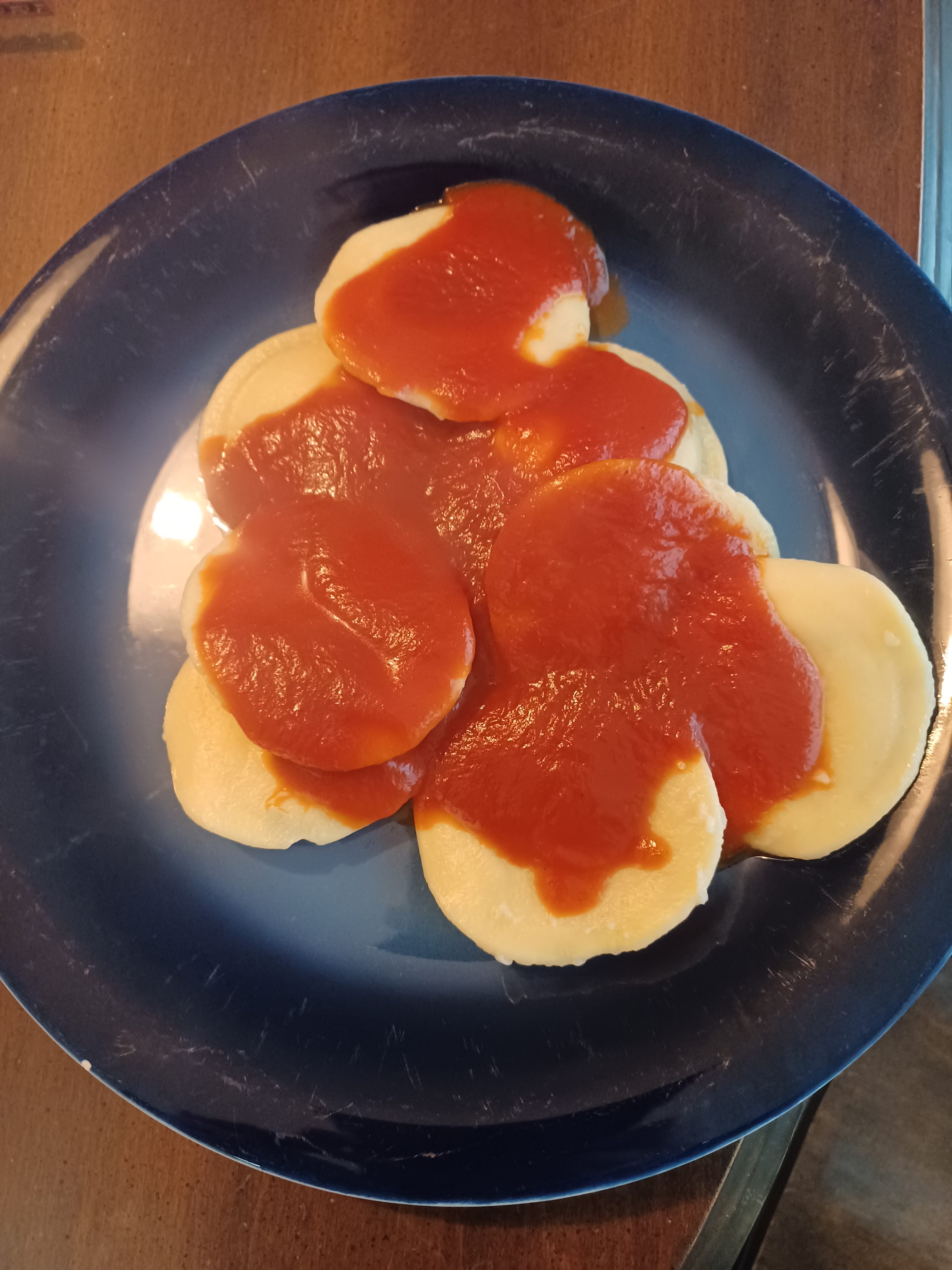
Cheese ravioli is familiar and comforting. Meat ravioli (my favorite) is richer. Spinach and ricotta brings a little green balance, if you are into that sort of thing. The possibilities are endless… mushroom, squash, seafood, even game… all of these are possible fillings and all impart their own personality on the dish. Ravioli is flexible enough to handle a lot, but the filling should still guide the sauce. Not every ravioli wants to be buried under the same red blanket.
Tortellini
Tortellini is small, folded, and ring-shaped, with the filling tucked into a compact little bite. It’s often served in broth instead of sauce. This makes sense given their generally small size… a heavy sauce can overwhelm something this small.
Not that tortellini is helpless. It’s a versatile pasta that can work with cream, cheese, pesto, tomato sauce, or even in pasta salad. The trick is balance. Each piece should feel like one complete bite, not a tiny pasta life raft drowning in sauce.
Mezzelune
Mezzelune means “half-moons,” and it’s pretty easy to see why. These are half-moon stuffed pastas, usually made by folding round pasta over filling and sealing the curved edge.
They look good on a plate, which is awesome, because presence matters. Food doesn’t have to be pretty to be worth eating, but a little visual drama adds personality, and personality goes a long way. Cheese, vegetable, mushroom, squash, or meat fillings can all work here.
Stuffed Shells
Stuffed shells are where we enter the world of baked comfort food. Big pasta shells get filled, usually with ricotta or another cheese mixture, drowned in sauce, and baked… with even more cheese melted on top. What’s not to love?
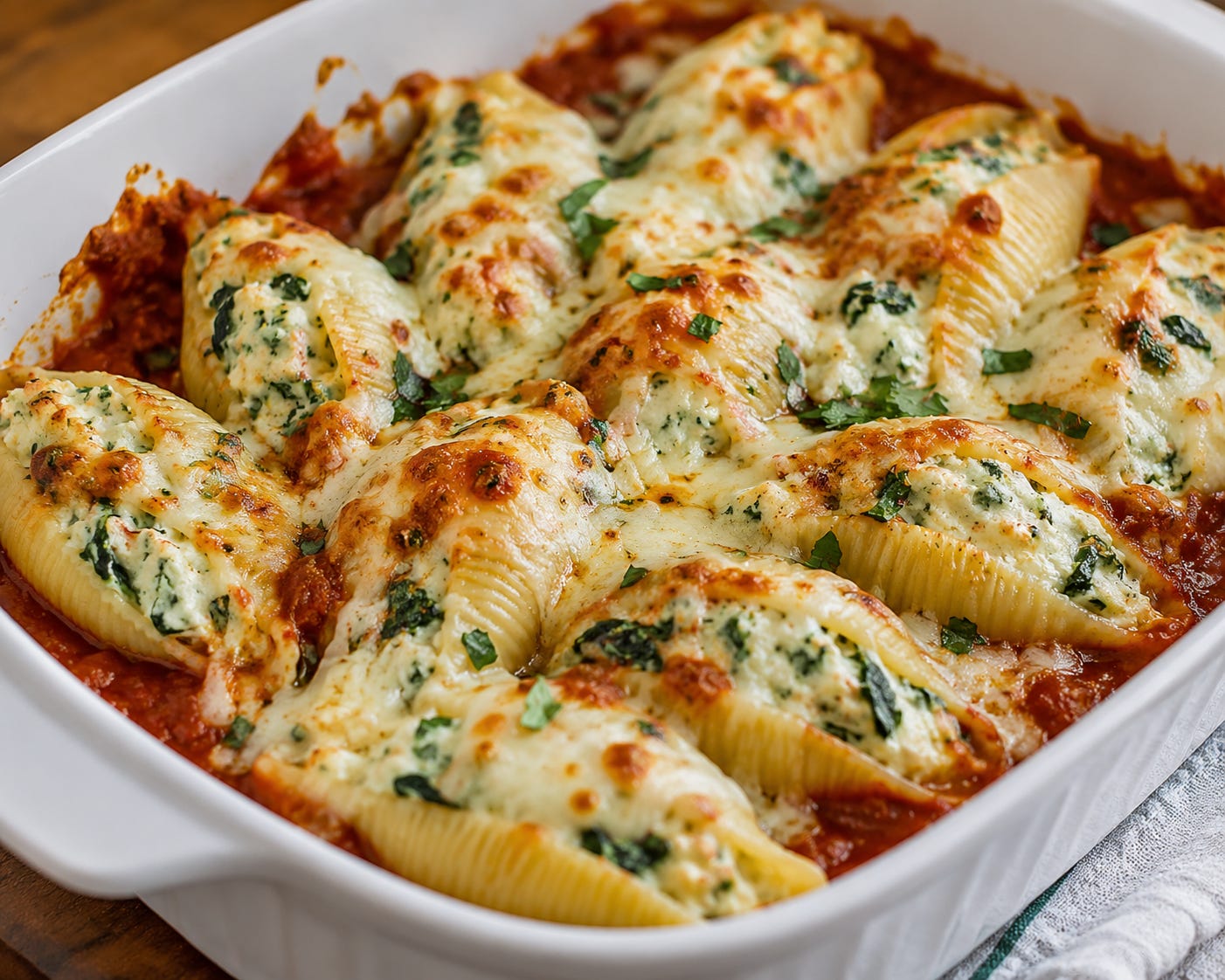
Stuffed shells are practical, generous, and very good at feeding people. The shell shape gives the filling somewhere to sit, and the oven brings everything together.
Manicotti
Manicotti is another baked stuffed pasta, but instead of shells, you get large tubes filled with cheese, meat, or both. In American home cooking, it usually means ricotta filling, tomato sauce, melted cheese, and a meal that is not trying to be subtle.
That’s fine. Like the stuffed shells, manicotti is here to fill hearty appetites. It is large and in charge, stuffed to the max and oh so saucy and cheesy. Sometimes, just one filled tube can feel like a meal.
Pierogi
The stuffed pasta experience goes beyond Italian-derived cuisine. Pierogi takes us into Poland, and these delightful dumplings can hold potato, cheese, sauerkraut, meat, mushrooms, and other fillings. Some even have sweet, rather than savory, fillings, such as ricotta or cherries (childhood favorites of another Explorer).
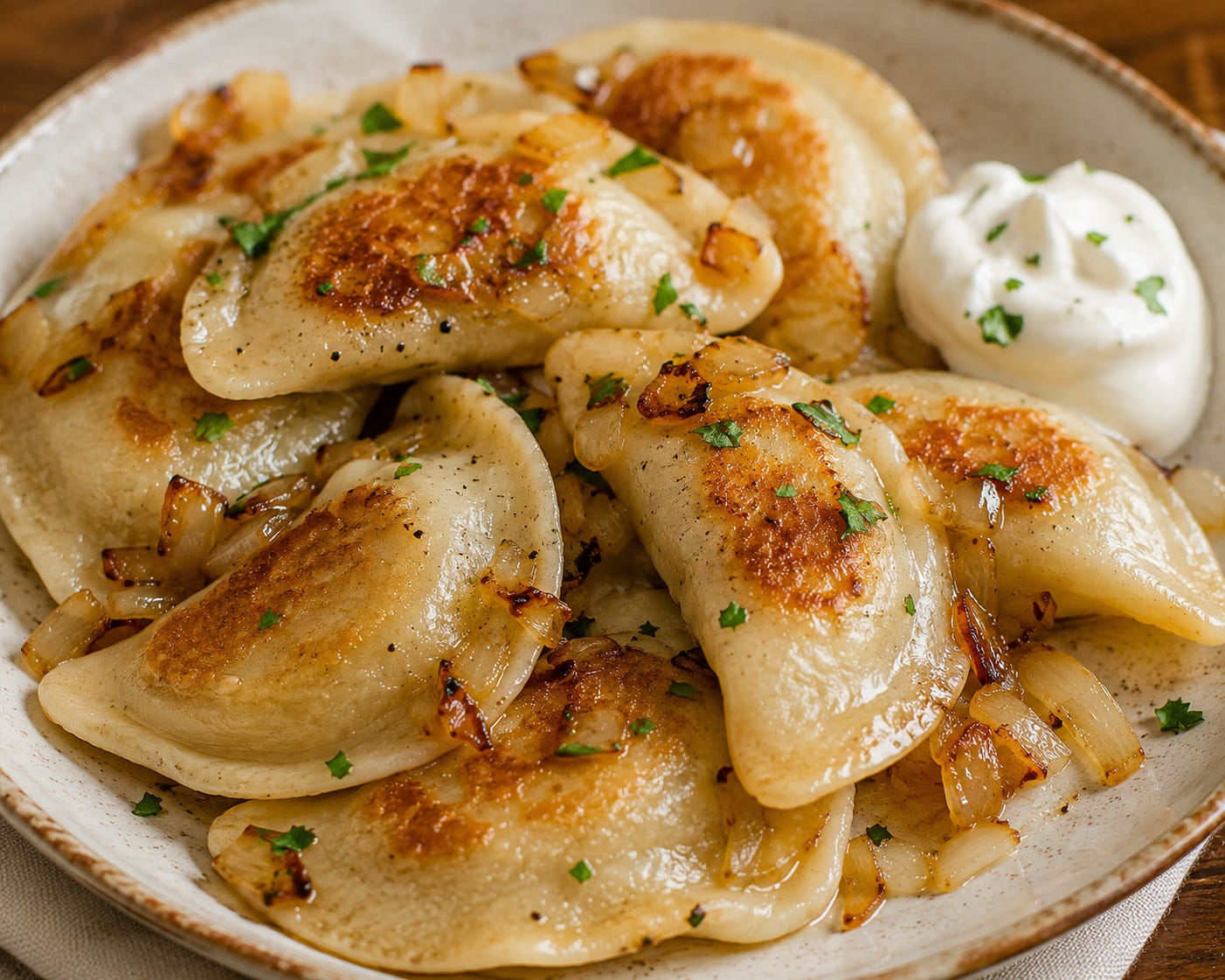
They also bring a different texture experience, especially when boiled and then pan-fried in butter. That gives you soft dough, hearty filling, and sometimes a little browned edge from the skillet. Pierogi are a useful reminder that the idea of wrapping dough around a filling is much bigger than one pasta tradition.
That’s the fun of stuffed pasta… it’s a simple idea that can go in all kinds of directions. Some stuffed pastas are small and delicate enough to work beautifully in broth, while others are built for the baking dish, covered with sauce and cheese, and served as full comfort food. A few sit closer to the border between pasta and dumpling, which is part of what makes the category so interesting to explore.
🍝 A Quick Tip from the Explorer
When choosing stuffed pasta, start with the filling before you think about the sauce. Cheese, meat, mushroom, squash, spinach, potato, and seafood fillings all bring different flavor and weight to the dish.
A good sauce should support what is inside the pasta, not bury it. Delicate fillings usually need a lighter touch, while heartier fillings can handle something richer.
🍝 Three Small Ways to Explore More
🍝Try one shape you do not usually buy.
If ravioli is your usual stuffed pasta, try tortellini, agnolotti, mezzelune, manicotti, or stuffed shells. The filling matters, but the shape changes the whole experience.
🍝 Match the sauce to the filling.
Pick a stuffed pasta and choose the sauce based on what is inside. A delicate cheese or vegetable filling may need a lighter sauce, while meat, mushroom, or baked stuffed pastas can usually handle something richer.
🍝 Compare delicate and hearty stuffed pasta.
Try something small and tender, like tortellini, then compare it with something baked and comforting, like stuffed shells or manicotti. They are both stuffed pasta, but they do very different jobs
🍝 Closing Thought
Stuffed pasta is a good reminder to pay attention to the whole bite: the pasta, the filling, the cooking style, and whatever ends up around it. Once you start noticing what is tucked inside, there is a lot more to explore.
Thanks for coming by!
-Pasta Explorer
Disclaimer:
Pasta Explorer is all about curiosity, creativity, and the joy of discovery through food.
This content is designed to inform, inspire, and celebrate culinary exploration, not to replace professional dietary, nutritional, or medical advice.
If you have specific health or dietary concerns, please consult a qualified professional.