
Pasta By Regions 🍝 Weekly Notes from Pasta Explorer
Issue #24 — May 12, 2026
Hello Explorers!!!!
One of my favorite parts of exploring pasta is realizing that a lot of these shapes aren’t just shapes. They’re clues. Names that sound like places, traditions, and kitchen habits that existed long before they ever showed up on a grocery store shelf.
This week I want to lean into that feeling. Not to turn pasta into a geography lesson, but to treat the pasta aisle like a starting point for a small kind of travel. A few regions, a few signature shapes, and the simple question I keep coming back to as an Explorer: what was this pasta made to do?
🍝 Main Course
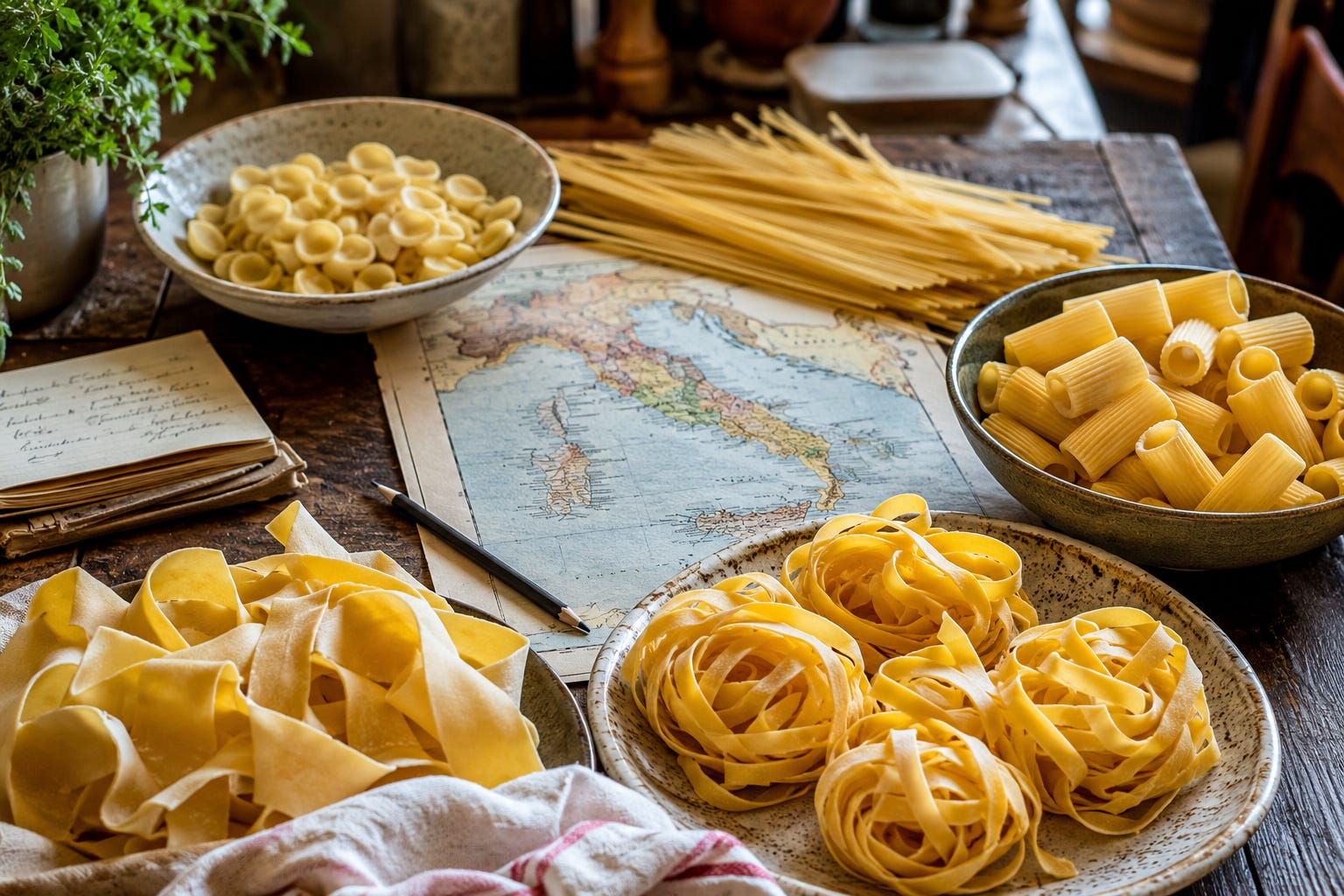
When I first started thinking about pasta in terms of region I expected it to feel like trivia. A few fun facts, a few famous shapes, and then back to the real world. What I didn’t expect was how practical the “regional map” becomes once you stop treating pasta shapes as interchangeable. Regions don’t just “have” pasta. They tend to develop pasta that fits the way they cook, what ingredients are common, and what the sauce is trying to accomplish in the bite.
This is how I organize the map in my head as an Explorer. North, center, south as anchors, with a few regions that make the patterns obvious. I’m not trying to be comprehensive here. I’m trying to make the regional logic visible, so the next time I’m staring at the pasta aisle, I’m not just picking a shape I recognize. I’m picking a shape with a job.
The North
Emilia-Romagna
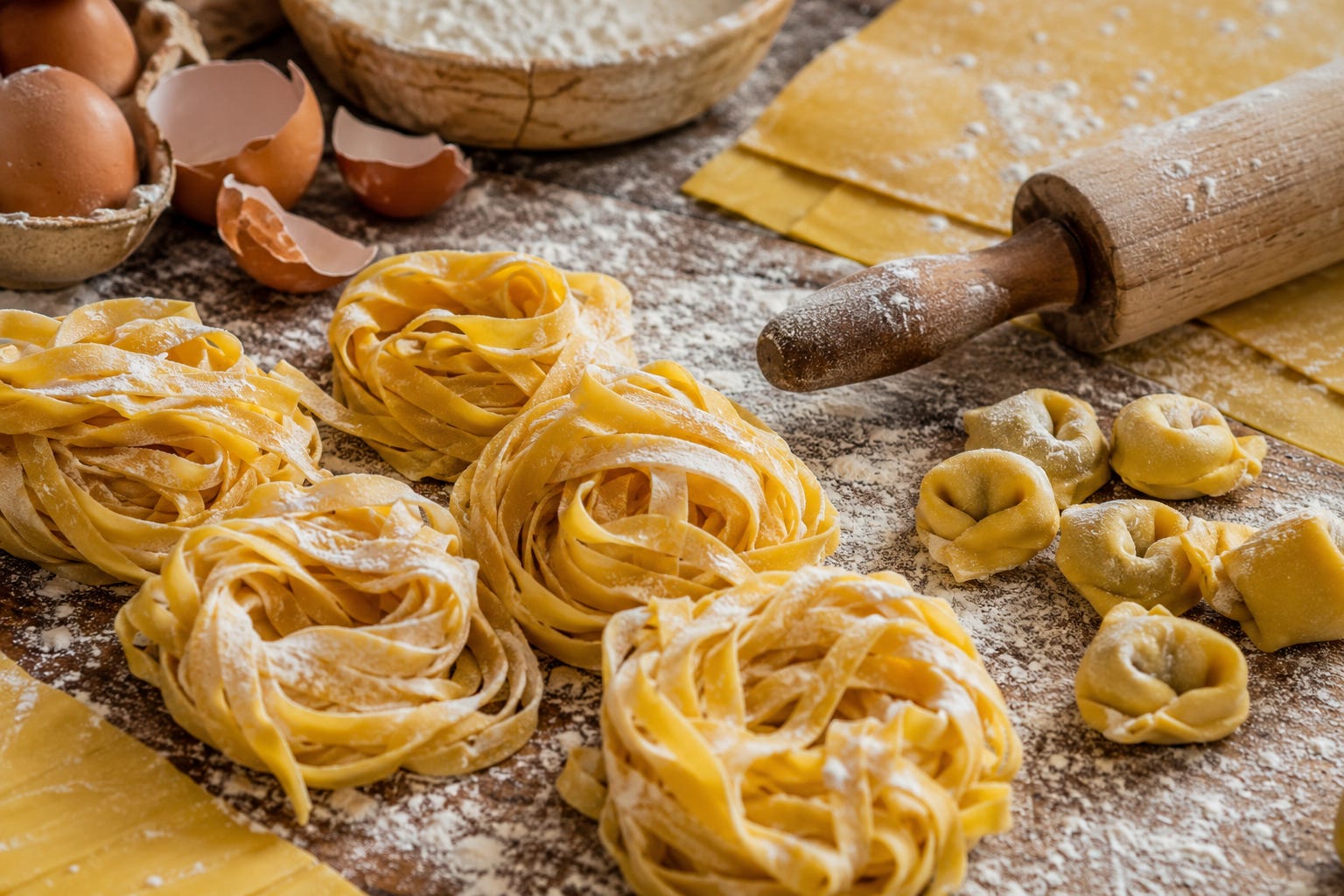
What Emilia-Romagna taught me is that fresh egg pasta is not “fancier dried pasta.” It’s a different base material with a different personality, and it changes what the dish wants to be. When I eat a really good egg-based pasta, it doesn’t feel like a neutral platform waiting for sauce. It feels like part of the flavor and richness of the meal all by itself.
The shapes that stand out to me here tend to fall into two families: ribbons and filled pasta. Tagliatelle is the perfect example of a ribbon that looks simple but behaves with purpose. It has enough width to carry a real sauce, and enough tenderness to feel luxurious without turning delicate. Filled pastas like tortellini are a different kind of intention. They turn the pasta into the main event, because the filling is not a topping. It is the center of gravity.
This is also the region that made me understand why certain slow, meaty sauces feel so natural with certain pasta forms. A long-cooked ragù is not trying to be light and quick. It wants time, depth, and a pasta that can carry it without disappearing. Egg pasta does that beautifully because it brings its own richness, and it holds onto that kind of sauce in a way that feels unified instead of layered.
Explorer test: I like to run the same meat sauce on two pastas that look “close enough” on paper, like dried spaghetti versus fresh tagliatelle. The sauce might taste identical, but the dish will not feel identical. One will feel like sauce on top of pasta. The other will feel like a single combined thing. That difference is the lesson.
Center
Lazio
Lazio taught me something that surprised me: some of the most famous pasta dishes are built on constraint, and the constraint is the point. The Roman classics don’t usually rely on a long ingredient list. They rely on the exact interaction between pasta shape, fat, cheese, heat, and timing. When it works, it feels almost inevitable. When it doesn’t, you can tell immediately.
This is where shapes like bucatini and rigatoni stopped being “just shapes” for me. Bucatini isn’t just spaghetti with a hole. That hollow changes the bite. It changes where sauce collects and how it hits your mouth. Rigatoni isn’t just a tube. It’s a tube with structure, and that structure matters when the sauce is rich, clingy, and bold.
Roman sauces like Carbonara and Cacio e Pepe are not sauces that politely sit on top. They are emulsions. They want to coat. They want to bind. They want the pasta to help. Amatriciana adds tomato, but it still wants that same cohesion. That’s why the pasta choice here feels so “designed.” The wrong shape doesn’t just change presentation. It changes whether the dish holds together as a concept.
Explorer test: I’ll make a Roman-style sauce and run it on spaghetti and rigatoni back-to-back. I’m not looking for which one tastes “better.” I’m looking for which one feels more integrated. Which one holds the sauce in the bite instead of leaving it behind. Which one makes the dish feel like it was meant to be that way.
Tuscany
Tuscany taught me to respect rustic pasta as deliberate, not casual. When people say “rustic,” it can sound like an excuse for rough edges. In a lot of Tuscan cooking, rustic feels more like confidence. The food isn’t trying to impress you with complexity. It’s trying to satisfy you with structure and honesty.
This is where pappardelle makes immediate sense. Wide ribbons are not subtle. They announce themselves. They also solve a problem: hearty sauces need a pasta that can stand up and still feel like pasta, not like an afterthought. Pappardelle gives you enough surface area and body that a rich meat sauce doesn’t bury it. It becomes a partnership instead of a takeover.
Tuscany also gives me one of my favorite “handmade but not delicate” reminders: pici. Pici has a simple, hand-rolled feel, but it’s not fragile. It has heft. It carries sauce differently than a thin strand, and that changes the bite in a way you can feel immediately. It’s a great example of how handmade pasta can be sturdy and direct, not just refined.
Explorer test: I’ll take the same hearty sauce and try it on a narrow strand pasta and on a wide ribbon pasta. With the narrow strand, the sauce can dominate, and the pasta can fade into the background. With the wide ribbon, the pasta keeps its identity. The dish feels more balanced, even when the sauce is bold.
The South
Campania
Campania is where I stopped treating dried pasta like the default setting and started treating it as its own craft tradition. This is the part of the map where pasta feels built for daily life in the best sense of the phrase. It’s durable. It’s reliable. It’s meant to perform consistently, and it’s meant to pair with sauces that are direct and vivid.
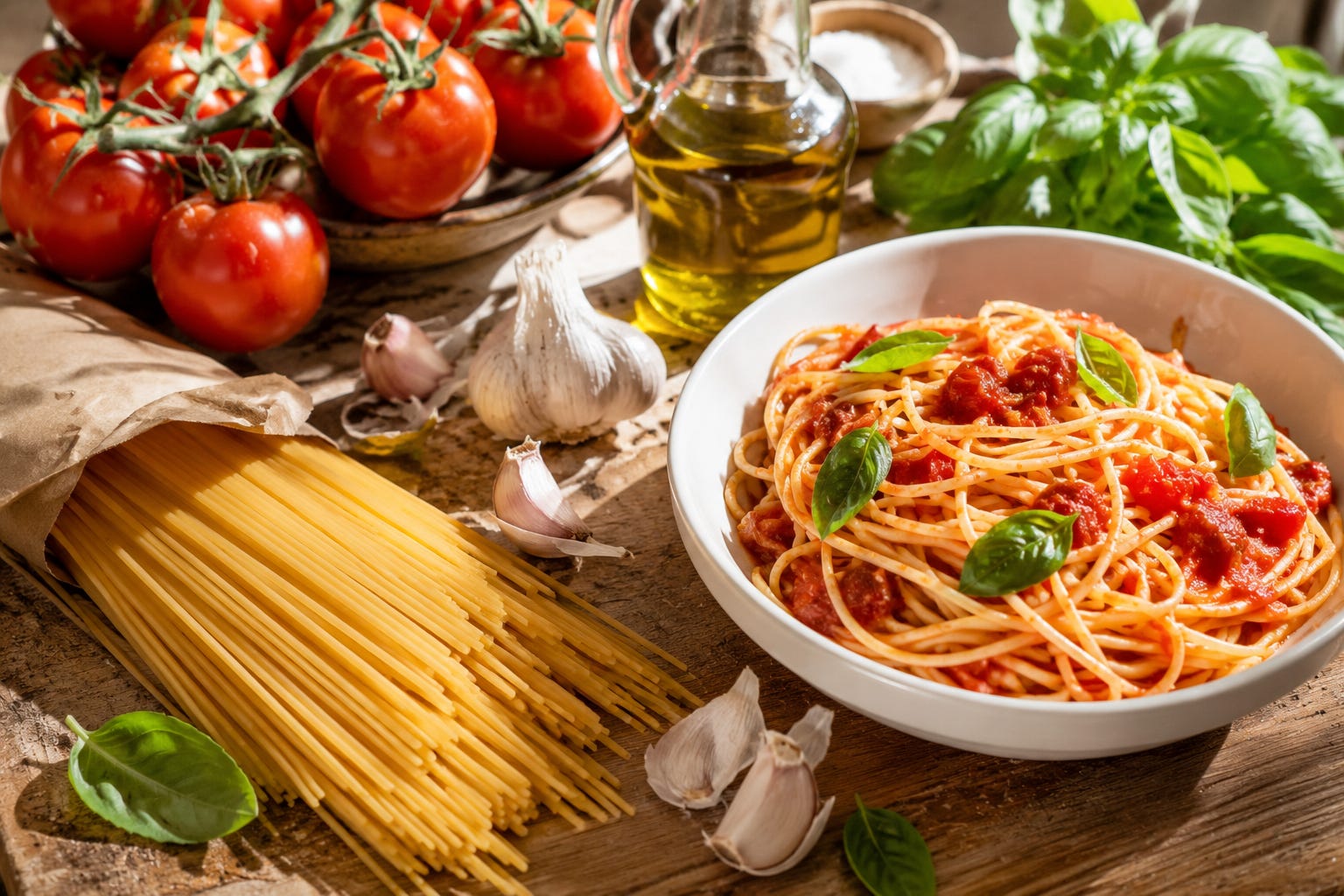
Campania also reinforces something I think gets overlooked: a lot of iconic pasta cooking depends on the pasta’s ability to hold up to heat, timing, and sauce movement without collapsing. Spaghetti is a great example because it looks simple, but it asks for precision. When the sauce is light, the spaghetti has to carry it cleanly. When the sauce is richer, the spaghetti has to hold on without turning into a messy pile.
This region also makes the tomato story feel obvious. Tomato- and olive oil-based sauces don’t need a pasta that competes. They need a pasta that carries flavor clearly and predictably. That’s part of why the south feels so strong on “everyday pasta” dishes. The pasta is meant to deliver, not distract.
Explorer test: I’ll make a straightforward tomato sauce and run it on two dried pastas that differ mainly in how they hold sauce, like a smooth long pasta versus a ridged tube. Same sauce, same pot, same night. The question is not “which is more authentic.” The question is “which one makes the sauce feel like it’s actually part of the pasta instead of a separate layer.”
Puglia (Apulia)
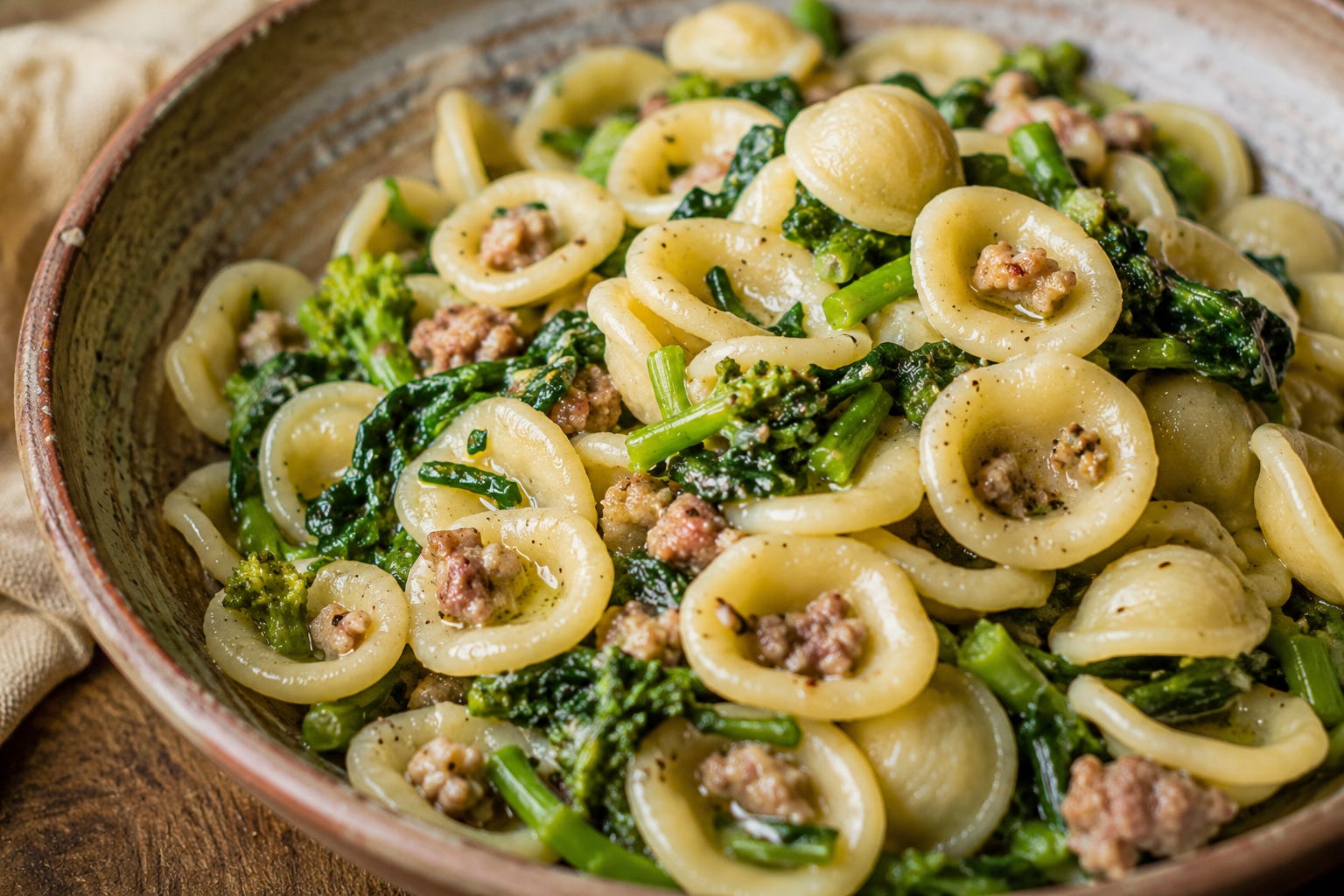
Puglia is the region that made me appreciate pasta shape as a tool for capture. When I think of orecchiette, I don’t just think of a cute shape. I think of a shape designed to hold onto what matters. Those little “ears” scoop and catch. They keep small pieces from sliding off. They help a simple dish stay together in the bite.
This is also why the classic pairings make so much sense. When you’re working with vegetables, greens, garlic, oil, and small bits that want to fall away, a pasta that can gather and hold becomes the difference between a dish that feels scattered and a dish that feels complete. Orecchiette doesn’t just carry sauce. It gathers the whole mixture and delivers it in one bite that actually makes sense.
Explorer test: I like to take a greens-and-garlic style mix and try it with orecchiette and with a long pasta. With the long pasta, the greens can wrap and slide and drop back onto the plate. With orecchiette, the dish tends to stay assembled. You get more “whole bites” instead of chasing pieces around. It’s one of the clearest demonstrations I know of the idea that pasta shape can be functional, not decorative.
What the map does for me
Once I started seeing these regions as lessons instead of trivia, the pasta aisle changed. Emilia-Romagna reminds me that fresh egg pasta brings richness into the foundation of the dish. Lazio reminds me that pasta and sauce can be designed to meet each other and lock in. Tuscany reminds me that width and handmade heft are tools for balance, not just tradition. Campania reminds me that dried pasta is a deliberate performance choice, not a fallback. Puglia reminds me that shape can be about capture, keeping the good stuff where it belongs.
None of this is a rulebook. It’s a way of noticing. And the more I notice, the more I find myself choosing pasta with intent, because I’m not just picking what looks familiar anymore. I’m picking what the dish is trying to become.
🍝 A Quick Tip from the Explorer
When I’m unsure what pasta to grab, I don’t start with the shape. I start with the sauce and ask one simple question: does this sauce need pasta to coat, to grip, or to capture? Long strands are great when I want an even coating. Ridged tubes help when I want grip. Cups and curves shine when I need the pasta to hold onto bits that would otherwise fall away. That one little check keeps me from forcing a mismatch.
🍝 Three Small Ways to Explore More
🍝 Pick one region from the map and commit to it for a night. Choose a pasta shape strongly associated with that region, then pair it with a sauce style that feels like it belongs there. The goal is not perfection, it is noticing what feels “natural” about the combination.
🍝 Run a simple experiment with the same sauce and two different shapes, one long and one shaped. Pay attention to where the sauce ends up. Does it coat the outside, settle into ridges, or get held in little pockets? That’s the map showing itself in real time.
🍝 Next time you’re in the pasta aisle, pause and read the labels like an Explorer. Look for region names, specialty terms, or shapes you have not tried yet. Choose one unfamiliar shape and take it home with the question, “What job is this pasta meant to do?”
🍝 Closing Thought
The more I explore pasta, the more I appreciate that these shapes are not random.
They are answers to real cooking questions that different places solved in different ways. Learning the regional map does not turn pasta into homework. It turns it into a story you can taste. And once you start seeing that story, every new shape feels less like a guess and more like an invitation.
Until next time, keep on exploring!
-Pasta Explorer
P.S. Know any other pasta people? Feel free to share!
Disclaimer:
Pasta Explorer is all about curiosity, creativity, and the joy of discovery through food.
This content is designed to inform, inspire, and celebrate culinary exploration, not to replace professional dietary, nutritional, or medical advice.
If you have specific health or dietary concerns, please consult a qualified professional. 🍝
Insert Pasta Explorer Logo
Nice overview!