
Global Noodles 🍝 Weekly Notes from Pasta Explorer
Issue #27 — June 2, 2026
Hello and Happy Tuesday!!!!
This week, we are stepping a little beyond Italian pasta without leaving the spirit of Pasta Explorer behind. Pasta still means something specific, and that matters. But the more I learn about pasta, the more interested I become in the wider noodle world around it.
Ramen, udon, soba, rice noodles, glass noodles, egg noodles, and so many others are not just “almost pasta” or “pasta from somewhere else.” They come from their own food traditions, with their own textures, methods, and ideas about what a noodle should do.
So this week, we are looking at global noodles, what happens when pasta is not Italian, and why that makes the whole table more interesting.
🍝 Main Course:
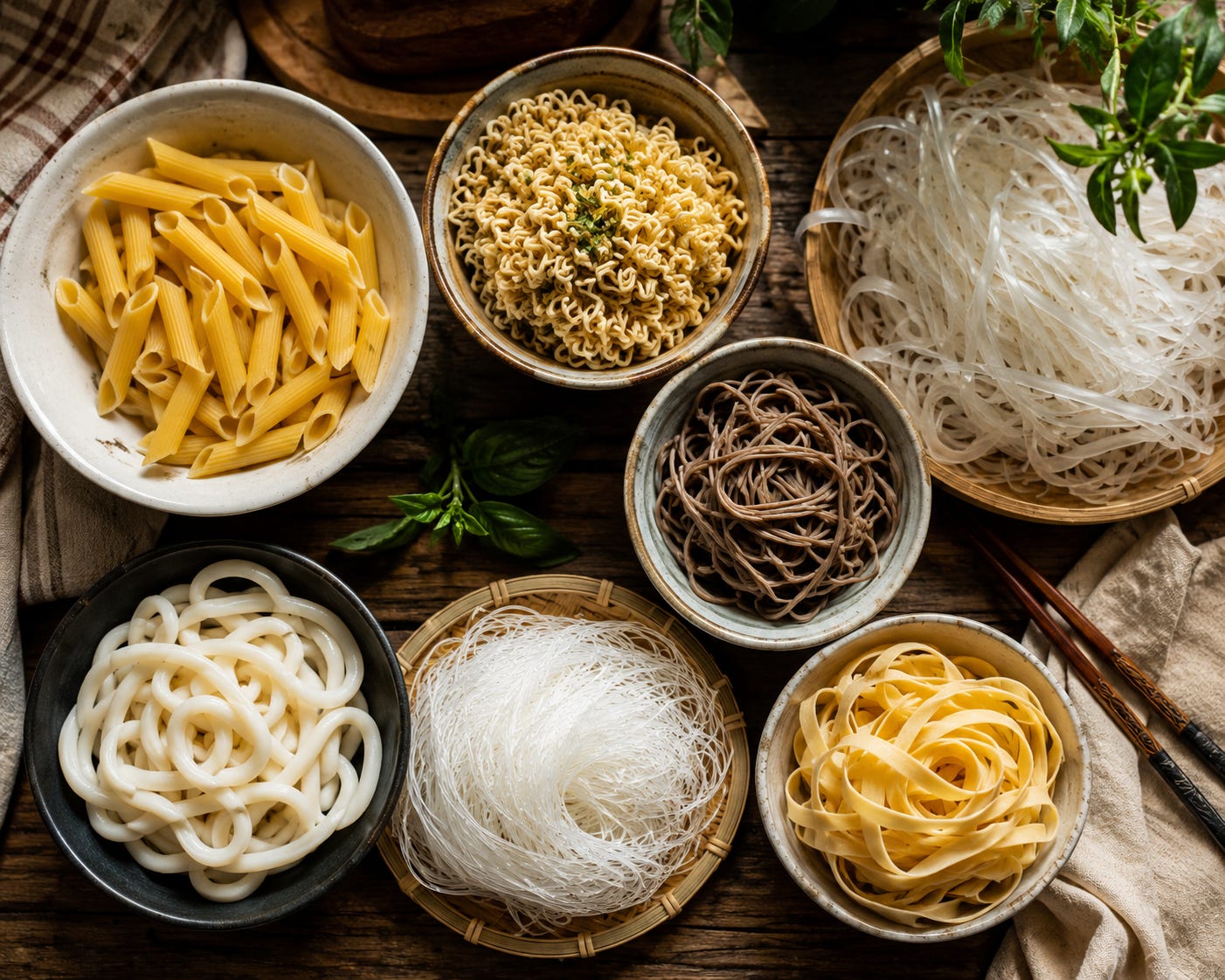
One of the interesting things about exploring pasta is that the word itself has real boundaries. Pasta is not just a loose name for anything long, starchy, and good in a bowl. Italian pasta has its own ingredients, traditions, shapes, textures, cooking methods, and sauce logic. Durum wheat matters. Semolina matters. Shape matters. The difference between spaghetti, rigatoni, orecchiette, and bucatini is not just appearance. Each one is built around a certain kind of bite, a certain way of holding sauce, and a food tradition that has spent a very long time learning what works.
That specificity is part of what makes Italian pasta such a good place to begin. It teaches you to slow down and notice things you might otherwise miss. A shape is not just a shape. A smooth surface and a rough bronze-cut surface do not behave the same way. A hollow tube, a flat ribbon, a tiny ear, and a long strand all ask different things from a sauce. Once you start paying attention to those details, it becomes harder to look at any noodle as just a noodle, because you begin to wonder what it was made to do.
That is where global noodles become such a natural next step. Italian pasta is one old, brilliant, deeply developed tradition, but it is not the only old, brilliant, deeply developed noodle tradition. Many Asian noodle traditions grew in their own places, with their own ingredients, tools, textures, cooking methods, and ideas about what a noodle should be. The point is not to flatten everything into one origin story or pretend every noodle is secretly the same food under a different name. The point is that people in different parts of the world found their own ways to turn grain, water, starch, eggs, and technique into something comforting, useful, beautiful, and delicious.
Wheat noodles beyond Italy are a good place to start because they can feel familiar at first, at least on the surface. Ramen, udon, lo mein, chow mein, and many egg noodles may share wheat with Italian pasta, but that does not make them pasta in another outfit. Ramen is built around the bowl, and the noodle has to work with broth, heat, timing, toppings, aroma, fat, seasoning, and that springy chew that makes a good bite feel alive. It is part of a different kind of conversation than spaghetti and sauce, and the fun is in learning what that conversation is.
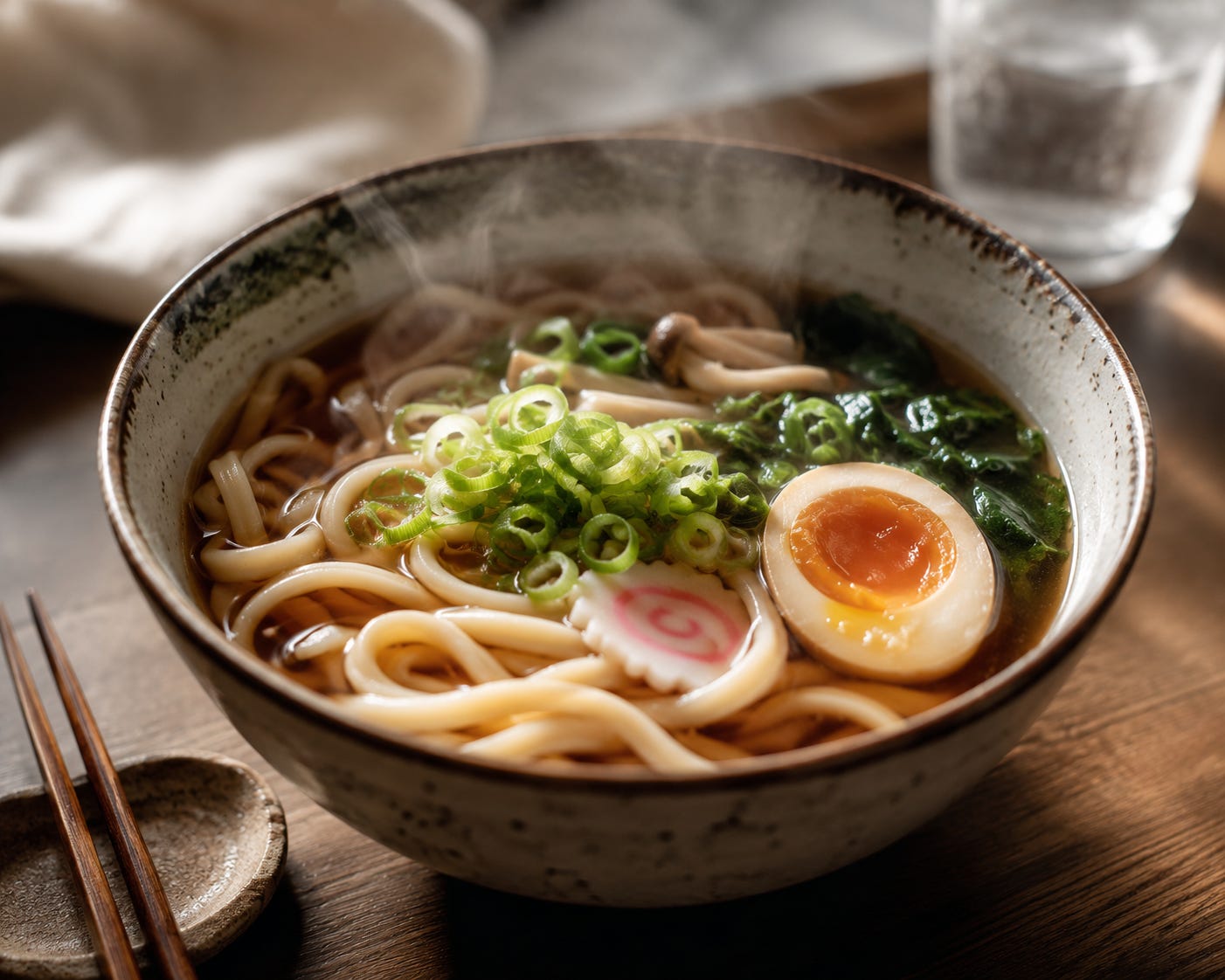
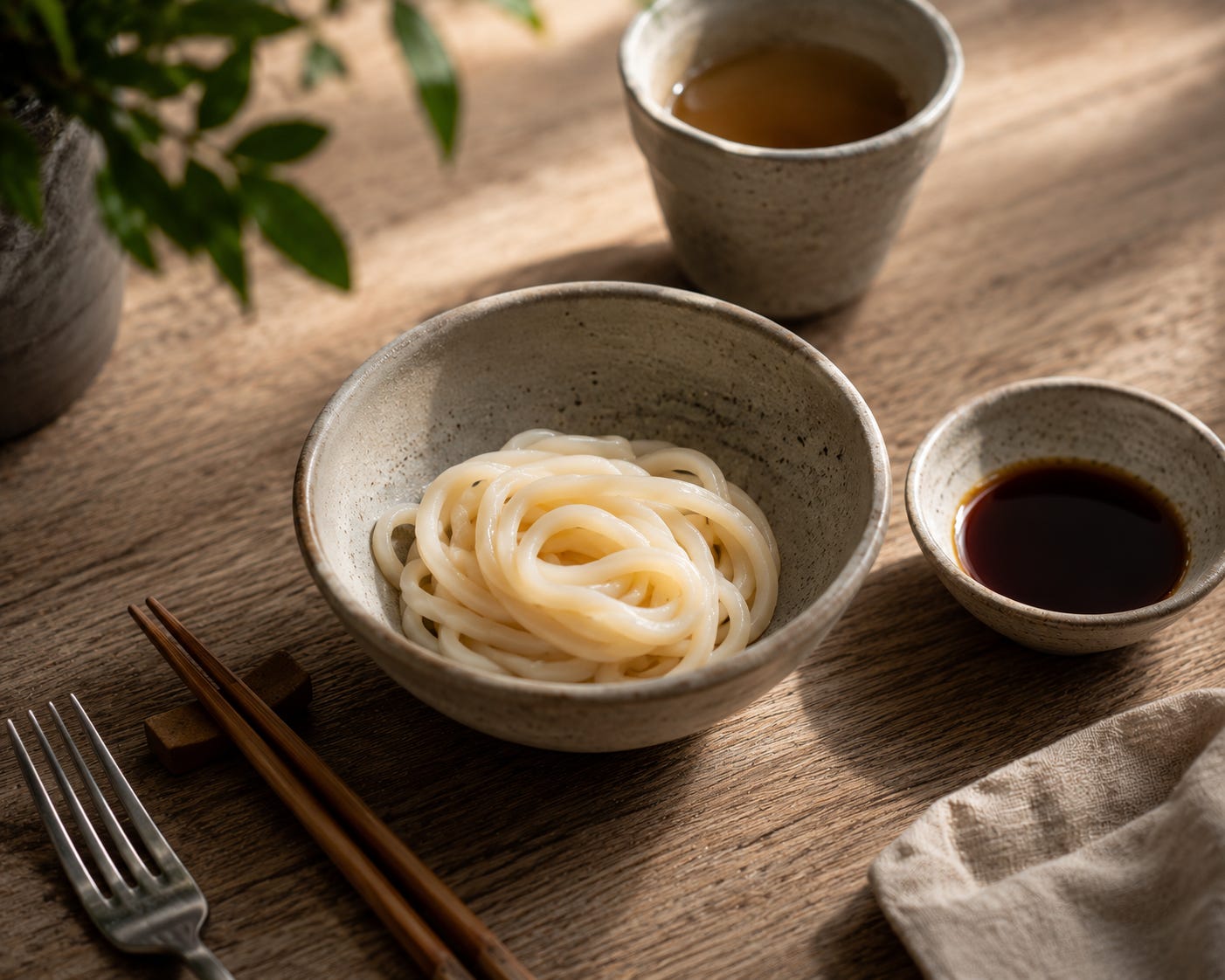
Udon has a different presence again. Thick, soft, chewy, and comforting, udon does not need to be judged by whether it reaches an Italian idea of al dente. Its pleasure is in that substantial bite, the way it sits in broth, the way it works with dipping sauce, and the way it can feel simple and filling without being dull. Lo mein and chow mein move in another direction, toward stir-frying, coating, heat, vegetables, proteins, and sauces that have to cling through motion rather than settle politely on top. Egg noodles can go into soups, casseroles, and Central or Eastern European comfort dishes, bringing tenderness and richness instead of the firm bite we might expect from Italian pasta.
Rice noodles shift the lesson even more because they are not trying to behave like wheat at all. In pho, the rice noodle is part of the broth experience. It brings smoothness, lightness, and tenderness without trying to dominate the bowl. In pad Thai, rice noodles need to handle stir-frying, sauce, egg, peanuts, lime, and that sweet-sour-salty-savory balance that makes the dish work. Wide rice noodles bring their own broad, soft chew, carrying sauce and heat in a way that feels nothing like rigatoni holding a ragù, and that difference is exactly why they are worth noticing.
Then there are noodles that stretch the word even further. Soba brings buckwheat into the picture, often with an earthy flavor that is part of the point rather than something to cover up. It can be served cold with dipping sauce or warm in broth, but either way it asks to be tasted as itself. Glass noodles, often made from starches such as mung bean or sweet potato, turn translucent when cooked and bring a slippery, springy texture that can soak up sauce or broth beautifully. Spaetzle sits in its own wonderful corner, small and irregular, somewhere between noodle and dumpling, reminding us that the noodle world is not only about long strands.
The useful question, then, is not whether all these foods are really pasta. Most of them are not, and that is fine. The better question is what each noodle is trying to do. Is it meant to float in broth, grab sauce, stand up to stir-frying, cool down in a salad, pair with a dipping sauce, or soften into comfort food? Should it be chewy, silky, springy, tender, slippery, hearty, or firm? Does it bring its own flavor, or is it meant to carry the flavors around it?
That is the rule I want to keep in mind as we explore more of the noodle world: learn the noodle on its own terms. Ramen does not need to become spaghetti. Rice noodles do not need to act like fettuccine. Soba does not need to disappear under a sauce. Udon does not need to prove itself by Italian standards. Each one comes from a tradition that already understands something about texture, comfort, structure, and flavor, and the best thing we can do is pay close enough attention to learn from it.
Italian pasta still has a large place here, and it always will. I still want to explore the shapes, sauces, brands, textures, recipes, and odd little discoveries that come with it. But the more carefully I learn pasta, the more curious I become about the rest of the noodle world, because the same habits carry over: taste before judging, notice the texture, learn the dish, respect the tradition, and let the food teach you what it is trying to do. We do not have to pretend every noodle is pasta to enjoy the full noodle world. We just have to let the table get bigger.
🍝 A Quick Tip from the Explorer
When trying a noodle that is new to you, don’t cook it on autopilot. Start by reading the package directions, then taste earlier than you think you need to. Rice noodles, soba, ramen, udon, glass noodles, and Italian pasta all have different ideas of “done,” and the texture can move quickly from just right to disappointing.
The first time through, let the noodle teach you what it wants. Taste it plain before it disappears into broth, sauce, stir-fry, or toppings. Notice whether it is chewy, springy, silky, tender, slippery, firm, or soft. Once you understand the texture, you will have a much better sense of what kind of dish it belongs in.
🍝 Three Small Ways to Explore More
🍝 Try one noodle outside your usual lane.
Pick one global noodle you have either never cooked or rarely use: soba, udon, rice noodles, glass noodles, ramen noodles, lo mein, or egg noodles. Do not worry about making the most impressive dish the first time. Start with something simple enough that you can actually notice the noodle.
🍝 Taste the noodle before judging the dish.
Before the sauce, broth, toppings, or stir-fry takes over, try a bite of the noodle on its own. Notice whether it is chewy, springy, silky, tender, slippery, earthy, or firm. That first plain bite can tell you a lot about what the noodle is built to do.
🍝 Use the noodle where it belongs first.
Before swapping soba into spaghetti sauce or treating rice noodles like fettuccine, try the noodle in a dish or style where it naturally fits. Broth, dipping sauce, stir-fry, salad, casserole, and sauce all ask different things from a noodle, and the easiest way to learn is to let the noodle show up in its own world first.
🍝 Closing Thought
Exploring global noodles does not make Italian pasta less important here. If anything, it makes pasta more interesting, because it reminds us that every noodle tradition has its own logic, texture, history, and way of bringing people to the table.
That is what I want to keep following. Sometimes that will mean a bronze-cut Italian shape with the right sauce. Sometimes it will mean rice noodles in broth, soba with dipping sauce, udon with its wonderful chew, or glass noodles soaking up flavor in a completely different way.
The point is not to make everything pasta. The point is to keep exploring the wider noodle world with the same curiosity that brought us here in the first place.
Thanks for dropping by! See you again Friday!
Disclaimer:
Pasta Explorer is all about curiosity, creativity, and the joy of discovery through food.
This content is designed to inform, inspire, and celebrate culinary exploration, not to replace professional dietary, nutritional, or medical advice.
If you have specific health or dietary concerns, please consult a qualified professional.
This made me smile. Noodles have such a way of pulling you deeper the more you learn about them.
Growing up in Malaysia I was surrounded by this exact conversation every day without knowing it. Chinese wheat noodles sitting next to rice noodles sitting next to Indian influenced broths — all at the same hawker stall, all completely comfortable with each other.
Your point about learning each noodle on its own terms is exactly right. A rice noodle in pho has nothing to prove to a strand of spaghetti and vice versa.
Lovely piece. Welcome to the rabbit hole. It only gets deeper from here.